36 Hours in Suzhou: Garden Windows, Canal Lanes and Noodle Breakfasts
Verified: 16 October 2026. Suggested travel times include normal walking or local transfers, not guaranteed connections.
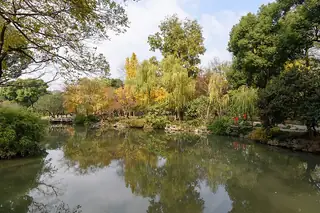
Suzhou’s classical gardens are exercises in attention. A window frames a rock; a corridor changes the angle on a pond; a small space seems to open into a larger landscape. Outside, canals and streets run alongside one another through a city that is both lived-in and heavily visited. Give the gardens time, then leave time to eat. Two well-chosen gardens are more rewarding than rushing through five.
Set up the visit
Base yourself in the historic centre, within a manageable walk or metro journey of the museum and Pingjiang neighbourhood. Check your railway ticket carefully: Suzhou Station and Suzhou North are different stations. Budget roughly 20–40 minutes from Suzhou Station to a central hotel, or 40–70 minutes from Suzhou North, depending on the route, traffic and luggage.
The city’s 2026 transit guidance identifies Line 6’s Humble Administrator’s Garden Suzhou Museum station as serving the main garden-and-museum cluster. Use a current journey planner for the exact entrance and interchange. Save addresses in Chinese and arrange working mobile data before arrival.
Reserve the main Suzhou Museum through its official channels and check garden ticket arrangements ahead, particularly for Chinese holidays. Bring the identification used for bookings and verify how overseas passport holders should register. Do not confuse Suzhou Museum’s main building with its West branch or the separate contemporary-art museum.
Day 1
9–11:30 a.m. | One major garden, properly seen
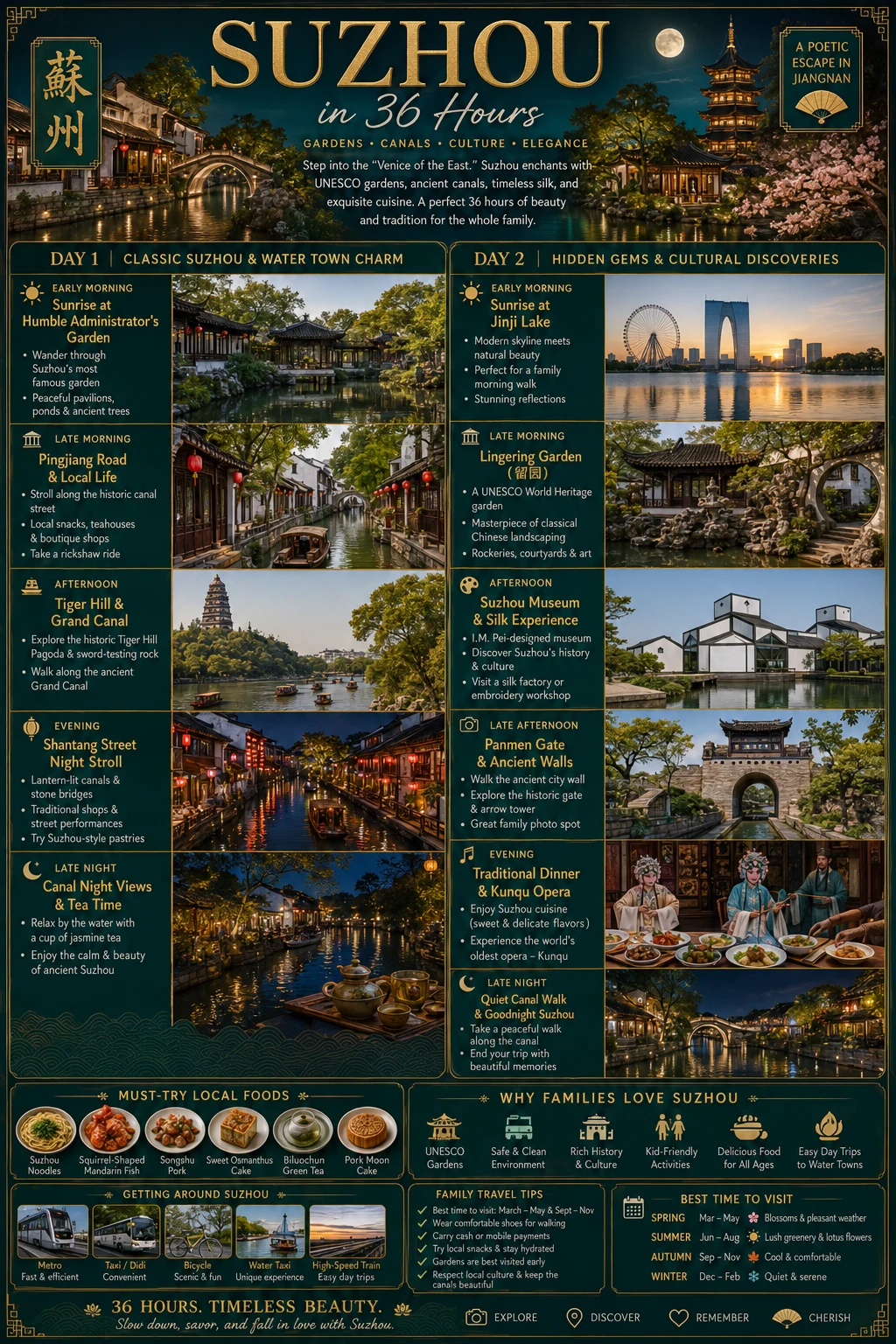
Begin with the Humble Administrator’s Garden at your confirmed entry time. Rather than aiming for every pavilion, follow a loose circuit and stop whenever the view changes. Look through lattice windows in both directions and notice how water, rocks and planting create depth. The municipal garden information places the city’s classical gardens in their World Heritage context.
Allow two to two-and-a-half hours. Busy holidays can slow movement substantially, so an early reservation helps without requiring a predawn start. With children, turn the visit into a search for framed views and differently shaped doorways. Keep close beside ponds and on bridges. Steps, thresholds and narrow passages mean a garden’s overall accessibility cannot be inferred from its flat appearance; ask about the current step-free route.
11:30 a.m.–1 p.m. | A bowl of noodles
Find lunch near the garden cluster before entering the museum. Suzhou soup noodles make an excellent first meal: select a topping, then pay attention to the broth as well as the noodles. The city’s food guide describes braised meat, fried fish and vegetable toppings, plus seasonal specialities. A vegetable topping does not establish that the stock is vegetarian. Carry translated allergy requirements if needed.
1–3:30 p.m. | Suzhou Museum, if reserved
Walk to the adjacent main museum and allow around two hours inside, plus entry checks. I. M. Pei’s building uses light, pale walls and carefully controlled views in a conversation with the gardens rather than a simple imitation of them. Select a few collections instead of trying to cover every room. The municipal museum page describes its regional art and craft holdings and the building’s 2006 opening.
Regular closure is Monday, except for announced public-holiday arrangements. If Monday falls here, move the museum to Day 2 if a slot is available and shift that day’s garden forward. Without a reservation, extend lunch and the canal walk; do not assume a queue guarantees entry. The 2026 summer notice confirms advance booking through official channels, but its late-opening dates ended in August and should not be applied year-round.
4–9 p.m. | Pingjiang at a walking pace
Allow approximately 20–30 minutes to reach the Pingjiang canal area, then explore for an hour before a rest. The municipal neighbourhood guide explains its parallel pattern of waterways and streets. The principal promenade is popular; short side lanes offer a different scale, but respect private doorways and residents.
Have dinner nearby or return to your hotel district. Share a vegetable dish, rice and a local speciality such as sweet-and-sour mandarin fish, asking about bones. Finish with a short illuminated canal stroll rather than adding an outlying water town. Boat rides and performances require their own operating and ticket checks; neither is essential to this evening.
Day 2
9–11 a.m. | A smaller garden with room to notice
After breakfast, take a taxi or public transport toward the Garden of Cultivation, allowing roughly 25–45 minutes from the northeastern historic centre, including the final walk. Its entrance is tucked into lanes, so save the Chinese name 艺圃 and current entrance instructions.
The municipal description identifies a compact garden centred on a pond. Spend 60–90 minutes here. Compare its intimate proportions with yesterday’s larger garden, then sit briefly instead of immediately leaving for another ticketed sight. It can still receive groups; “smaller” does not mean guaranteed solitude.
11:30 a.m.–3 p.m. | Lunch and a deliberate pause
Eat nearby, then return toward your hotel for a break or luggage arrangements. Seasonal food is part of the pleasure: osmanthus cakes in autumn, different noodle toppings through the year and glutinous-rice sweets when available. Ask what is fresh rather than ordering a summer speciality from an old travel list. Young children may need help with sticky textures and hot soup.
3–9 p.m. | One final cultural stop or simply more water
If you want another indoor visit, choose the China Kunqu Opera Museum in Pingjiang, checking current hours before leaving; its published schedule closes Mondays and finishes at 4:30 p.m. This is an alternative to a long afternoon rest, not an obligation. Otherwise return to the canal lanes, have an early dinner and leave a comfortable station buffer.
Three quieter choices
- Garden of Cultivation: best approached as a complete small garden, not a quick photograph stop.
- Pingjiang’s side lanes: step away from the busiest canal frontage without intruding into residential courtyards.
- Kunqu Opera Museum: a focused cultural alternative when its current exhibitions and opening calendar suit.
Weather and family adjustments
Humid summer weather makes the midday break important; rain leaves polished stone slippery. Winter gardens offer structure and reflection rather than lush colour. During national holiday peaks, reduce the plan further and book essentials early. Strollers work better along ordinary streets than through every garden passage. Keep snacks, water and a lightweight rain layer handy, and treat each canal edge as an active supervision point.
Sources & travel planning
Research checked 2026-10-16. This date describes the guide’s research, not a guarantee of current conditions. Opening hours, prices, access, transport and travel advice can change. Recheck the official sources before booking and departure. Walking and journey times are planning estimates.
- english.suzhou.gov.cn ↗
- english.suzhou.gov.cn ↗
- english.suzhou.gov.cn ↗
- english.suzhou.gov.cn ↗
- english.suzhou.gov.cn ↗
- english.suzhou.gov.cn ↗
- english.suzhou.gov.cn ↗
- english.suzhou.gov.cn ↗
Found a change? Contact Only36Hours about a correction.