36 Hours in Tokyo: Asakusa Traditions and Shibuya’s City Energy
Verified: 16 October 2026. Thirty-six hours cannot contain Tokyo, but it can give you two satisfying contrasts. Spend the first day in the older eastern districts around Asakusa and Ueno, then shift west for Meiji Jingu, Omotesando and Shibuya. This route starts with breakfast and ends after dinner the next day. It deliberately leaves out theme parks, distant digital-art venues and a dawn market expedition, each of which would displace something rather than fit into spare time.
Stay near a useful rail or subway station and leave luggage at your accommodation. Allow more time inside stations than the platform-to-platform journey suggests. A 10-minute train ride can become a 30-minute door-to-door transfer once you include walking, finding the right exit and lifts.
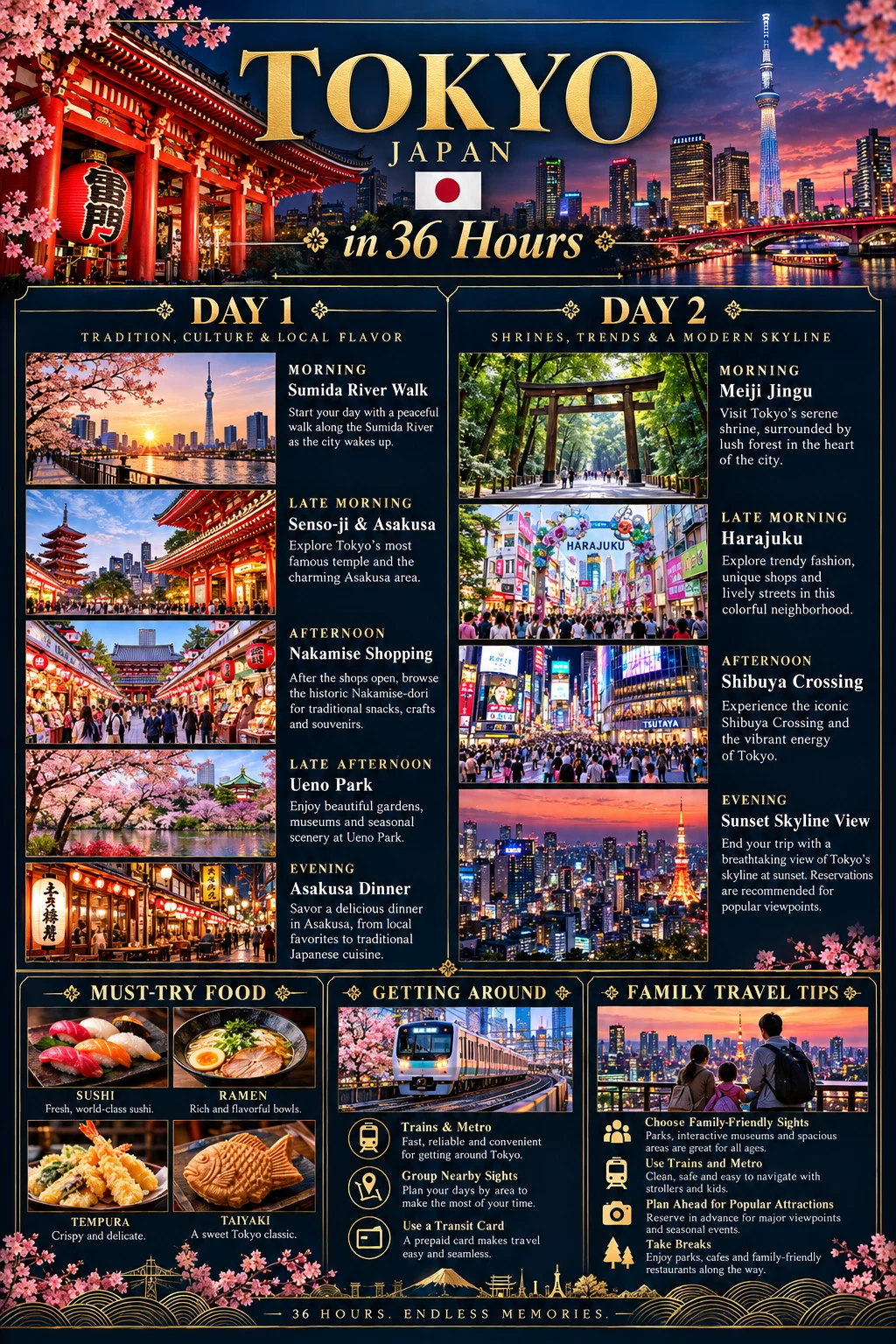
Day 1: Temple streets and museum treasures
09:00–11:30 | Asakusa and Sensō-ji
Begin with breakfast near Asakusa, then approach Sensō-ji through Kaminarimon and Nakamise. At this hour, you can visit the temple without forcing an extreme start, although shops open individually and the area will become busy. Let worshippers pass, follow photography signs and avoid stopping in the centre of a crowded passage.
The temple’s own precinct guide lists the main hall open until 17:00, with seasonal early opening; that does not mean every building or shop shares its hours. The principal Kannon image is not publicly displayed, as the temple explains. Appreciate the hall, gates and active religious setting rather than expecting access to every sacred space.
With children, take a short temple circuit, choose one snack and use a nearby seated stop. Eat where the shop permits rather than walking through a crowd with food. Major festivals and New Year can make this route much slower than the ordinary timings here.
11:30–14:00 | Lunch and the journey to Ueno
Try soba, tempura or a set lunch in Asakusa, choosing a restaurant whose queue fits your day. Fish-based stock can appear in dishes that look vegetarian, so ask specifically if necessary. There is no reason to spend half the afternoon waiting for a single famous counter.
Take the Ginza Line towards Ueno, budgeting around 20–35 minutes overall including the station approaches. From the station, leave another 10–20 minutes to walk through the park towards the museum area. The official Tokyo guide also groups Asakusa and Ueno together; the proximity is useful, but neither district needs to be “completed.”
14:00–16:30 | Tokyo National Museum
Spend about two hours at the Tokyo National Museum, selecting a few collection galleries. Choose objects that interest you, whether ceramics, sculpture, textiles or paintings, and leave time to look closely. Special exhibitions may require a different ticket and should replace, not extend, this block.
The normal closure is Monday, moving to the following day when Monday is a holiday, with additional exceptions. Important upcoming dates: the museum lists closure on 15 December 2026 and 26–31 December; from 22–25 December only the Hōryūji Treasures Gallery and Kuroda Memorial Hall are scheduled open. Selected Honkan rooms and Asian Gallery spaces also have late-2026 partial closures: check the same live calendar before choosing galleries. Suitcases are not allowed, and security screening applies, so leave luggage at your accommodation and allow entry time.
If the museum is closed, swap the east and west days where possible. Otherwise enjoy Ueno Park and a longer café or neighbourhood walk rather than assuming another museum has a different closure day. The family information explains facilities and notes that staff may restrict stroller use in crowded galleries.
17:00–21:00 | A modest evening
Take a break, then eat around Ueno, Asakusa or your hotel. A casual set-meal restaurant often works better for a family than a tiny standing bar. Keep the evening local instead of crossing the city again for one photograph. If jet lag is winning, an early dinner is entirely consistent with a good Tokyo visit.
Day 2: Forest paths and the western city
09:00–11:30 | Meiji Jingu
Travel to Harajuku or Meiji-jingumae, allowing approximately 40–60 minutes from an eastern base including walking and transfers. Enter the wooded precinct of Meiji Jingu and walk at an easy pace towards the main sanctuary. This is a religious site, so observe signs, keep voices low and stay off restricted forest areas.
Meiji Jingu’s gates follow a monthly daylight schedule, with notably early winter closing; it is not an after-dinner park. The morning slot avoids that problem. Inner Garden and museum visits have separate arrangements and are optional rather than assumed inclusions. Gravel paths can be tiring with small wheels, so use the accessible route information and ask staff if necessary.
12:00–15:00 | Omotesando and a quieter lunch
Leave towards Harajuku, then walk along Omotesando, allowing 15–25 minutes before shopping stops. Takeshita Street is an optional short detour, not a compulsory crowd experience. The Aoyama and Omotesando guide points to the district’s architecture and smaller streets; choose a few façades, a shop or two and a relaxed lunch.
Avoid booking an elaborate tasting menu simply because Tokyo is famous for dining. A neighbourhood restaurant with a clear menu may be more enjoyable on a short visit. Check child policies before reserving a formal restaurant; some small venues cannot accommodate pushchairs or young diners.
15:00–18:00 | Shibuya in a manageable dose
Walk towards Shibuya in roughly 25–40 minutes with stops, or take a short train ride if everyone is tired. See the crossing, then move clear of the pedestrian flow. Never stop in the road to film. Pick one nearby shopping building or café rather than trying to tour the whole district.
A high observation deck is optional and should be booked directly for an available time, with its weather and baggage rules checked. The crossing itself does not require a paid viewpoint. For children or anyone sensitive to noise, shorten this block and return to quieter streets earlier.
18:00–21:00 | Dinner and a comfortable finish
Have dinner in Shibuya or near your accommodation, allowing time to retrieve luggage and reach onward transport. Airport journeys are separate legs, not short extensions of the central subway trip. Check the specific airport, terminal and service before making a dinner reservation.
Three quieter places worth keeping
- Sumida riverside paths near Asakusa: a short alternative to more shopping, subject to weather and local access.
- Meiji Jingu’s wider approach paths: calmer than the sanctuary forecourt, while remaining on authorised routes.
- Aoyama’s smaller public streets: a gentler architectural walk beyond Omotesando’s main pavement.
Transport and seasonal checks
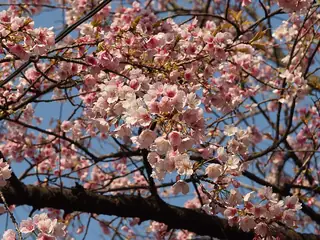
A rechargeable IC card or individual tickets can keep this route simple. Compare passes carefully: the Tokyo Metro ticket guide distinguishes Metro-only, subway and broader products. A subway pass does not automatically cover JR services or airport railways. Use station numbers and exit signs, and check lift routes with a pushchair. Summer humidity calls for indoor breaks; typhoons can disrupt transport. Cherry-blossom periods and major holidays bring crowds, so protect the itinerary’s spare time rather than adding more stops.
Sources & travel planning
Research checked 2026-10-16. This date describes the guide’s research, not a guarantee of current conditions. Opening hours, prices, access, transport and travel advice can change. Recheck the official sources before booking and departure. Walking and journey times are planning estimates.
- senso-ji.jp ↗
- senso-ji.jp ↗
- gotokyo.org ↗
- tnm.jp ↗
- tnm.jp ↗
- meijijingu.or.jp ↗
- gotokyo.org ↗
- tokyometro.jp ↗
Found a change? Contact Only36Hours about a correction.